How to Prepare Furniture for Transportation: Packing and Protection
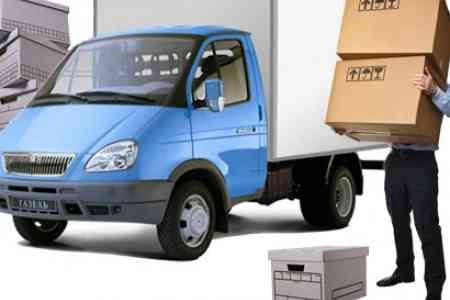
How to Prepare Furniture for Transportation
Furniture transportation is much easier when the items are prepared before the truck arrives. Poorly protected furniture can get scratched, chipped or damaged during carrying and loading.
A little preparation can make a local move faster and reduce the risk of damage.
What to Prepare in Advance
Useful packing materials include:
cardboard boxes; bubble wrap; stretch film; packing tape; thick cardboard; moving blankets; corner protectors; small bags for hardware; a marker for labeling.
Keep screws, handles and other small parts separately.
Disassembling Furniture
Large furniture is often easier to transport when partially disassembled.
This is especially useful for:
wardrobes; beds; desks; shelving units; large cabinets; some kitchen furniture.
Place screws and fittings in a separate labeled bag for each item.
If a piece of furniture has a complicated structure, avoid unnecessary disassembly. Professional furniture moving services can handle difficult items when needed.
Doors and Drawers
Cabinet doors and drawers should either be removed or secured properly.
Loose doors can open during carrying and loading, causing damage.
Wrap removed doors separately and provide additional protection for glass and mirror surfaces.
Protecting Furniture Surfaces
Wooden, painted and laminated surfaces should be protected from scratches.
Bubble wrap, cardboard, stretch film and moving blankets are useful for this purpose.
Avoid placing adhesive tape directly on painted or wooden surfaces. It can leave residue or damage the finish.
Protecting Corners
Furniture corners are particularly vulnerable when items are moved through doors, corridors and staircases.
Protect them with:
cardboard; foam; corner guards; thick packing materials.
Pay special attention to wardrobes, tables and other large furniture.
Preparing a Sofa
Remove loose cushions before transportation.
Pack cushions separately to protect them from dirt and damage.
The sofa upholstery can be covered with protective film or moving blankets.
For large sofas, measure doorways, corridors and elevators before the moving day. Sometimes the main challenge is getting the sofa out of the building rather than fitting it into the truck.
Preparing a Wardrobe
Empty the wardrobe completely.
Remove shelves, drawers and doors when practical.
An empty wardrobe is easier to carry and safer to load.
Preparing Tables and Chairs
If possible, remove the table legs.
Glass tabletops should be packed separately and secured carefully.
Chairs can be grouped together, but soft protective material between them helps prevent scratches.
Packing Small Parts
Small hardware is easy to lose during furniture disassembly.
Use a separate bag for each piece of furniture.
Labeling a bag with the furniture name makes reassembly much easier after the move.
Preparing the Building
Before the movers arrive, check the path from the furniture to the truck.
Look at:
doorway width; staircase width; elevator dimensions; narrow corridors; truck access.
If a wardrobe cannot fit inside the elevator, determine an alternative route before moving day.
Choosing the Right Truck
The required vehicle depends on the amount and size of furniture.
A van or Gazelle-type truck may be enough for a few items. A full house move may require a larger cargo truck.
Do not choose the vehicle based only on weight. Furniture volume is equally important.
Loading Furniture into the Truck
Furniture should be placed securely inside the cargo area.
Heavy pieces are generally positioned lower, while lighter items can be placed above or beside them when safe.
Use soft protective materials between furniture surfaces.
Large items should be secured so they cannot shift while the truck is moving.
When You Need Movers
Heavy wardrobes, sofas, beds and cabinets can be difficult to carry without professional help.
Moving services are particularly useful for high floors, narrow staircases, large furniture and buildings without suitable freight elevators.
Professional loading also helps reduce the risk of damaging walls, doors and furniture.
Common Mistakes
Some common furniture transportation mistakes include:
moving furniture without protection; leaving belongings inside wardrobes; mixing all screws and fittings together; failing to protect glass; loading heavy furniture incorrectly; choosing a truck based only on weight; not measuring doors and elevators.
A few hours of preparation can make the entire move much easier.
Order Furniture Moving
If you have many furniture items or several heavy pieces, consider ordering a complete moving service that includes a cargo vehicle, movers, loading and unloading.
When booking, provide the number of furniture items, dimensions of the largest pieces, floors and elevator availability.
Accurate information helps the carrier choose the right vehicle and organize the move efficiently.
FAQ Does all furniture need to be disassembled?
No. Only disassemble items when it makes transportation safer or easier.
What should I use to protect furniture?
Bubble wrap, stretch film, cardboard and moving blankets are suitable options.
Should wardrobes be emptied?
Yes. Empty wardrobes are easier and safer to carry.
When should I hire movers?
Movers are especially useful for heavy furniture, high floors, narrow staircases and difficult access.