How to Transport Goods in Boxes Safely and Efficiently
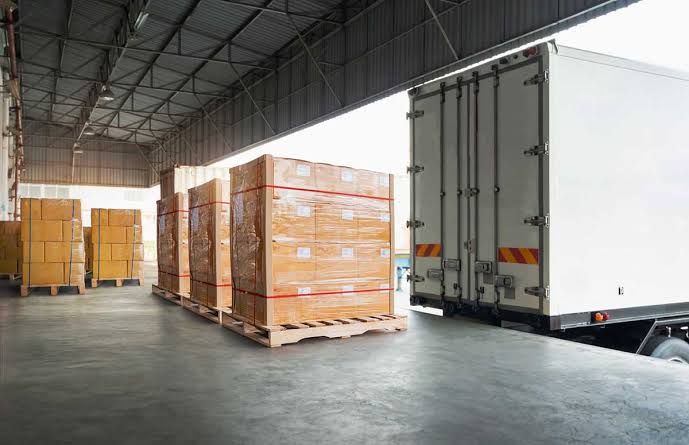
How to Transport Goods in Boxes Safely and Efficiently
Boxed shipments are common for retailers, warehouses, online businesses and private customers. Products packed into separate boxes are easier to count, move and organize inside a cargo vehicle.
Good packaging is only part of the process. The boxes also need to be arranged properly during loading so that heavier packages do not damage lighter ones and the shipment remains stable while the truck is moving.
Goods Commonly Shipped in Boxes
Boxed cargo can include:
clothing shoes household products office supplies small appliances electronics tools packaged products retail inventory food products agricultural goods warehouse stock personal belongings
The packaging should match the weight, size and sensitivity of the contents.
Choose the Right Box
A box should be strong enough for its contents.
Using a large box for a small amount of merchandise may create too much empty space. On the other hand, overfilling a small box can damage the packaging and make it difficult to carry.
For dense or heavy goods, smaller reinforced boxes are often easier to handle.
Protect the Contents
Fragile products should not be allowed to move freely inside the box.
Protective material can be placed around sensitive items and used to fill empty spaces. Glass, electronics and delicate components may need additional separation.
If several products share one box, placing a protective layer between them can reduce contact during handling.
Seal Boxes Properly
Before pickup, every box should be securely closed.
Strong packing tape can help keep the flaps closed during lifting and transportation. Heavy boxes may require additional reinforcement around the base.
A properly sealed box is easier to handle and less likely to open during loading.
Label the Shipment
Clear labels are useful when transporting a large number of boxes.
A label can include the contents, shipment number or receiving location. Fragile goods should be clearly identified so that handlers know which packages require extra care.
Numbering the boxes can also make inventory checks easier at delivery.
Loading the Cargo Vehicle
Box placement inside the vehicle should follow a logical weight distribution.
Heavy packages should have a stable base. Fragile products should not be placed underneath dense boxes or equipment.
If there is too much empty space, the cargo may move during braking and turning. Appropriate securing methods can help keep the shipment stable.
Retail and Warehouse Deliveries
Businesses often need recurring deliveries from warehouses to stores or customers.
A company may have dozens of boxes ready for delivery every week. Planning these shipments in advance can make the logistics process easier and help determine the appropriate truck size.
Small commercial shipments may fit in a cargo van, while larger orders may require a truck with more capacity.
How Much Truck Space Is Needed
The number of boxes is not enough to determine the required vehicle.
Thirty lightweight boxes may occupy considerable space while weighing relatively little. A smaller number of dense boxes may have the opposite characteristics.
For this reason, cargo transportation should be planned using the total quantity, volume and weight.
When Moving Assistance Is Useful
A large number of boxes can make loading and unloading time-consuming.
If the shipment is heavy, located upstairs or stored far from the truck access point, loading assistance can be arranged. This can be particularly useful for commercial cargo deliveries.
Arrange Boxed Cargo Transportation
When requesting a transportation quote, provide the number of boxes, approximate dimensions, total weight and cargo type.
Pickup and delivery locations should also be provided. If any items are fragile, unusually heavy or valuable, mention them before the vehicle is dispatched so the transportation plan can be prepared accordingly.