How to Safely Transport Fragile and Valuable Equipment
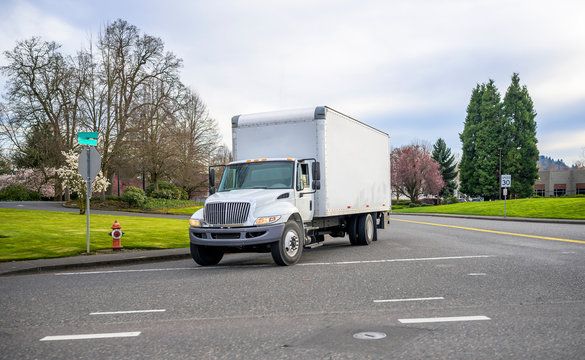
How to Safely Transport Fragile and Valuable Equipment
High-value equipment needs a different approach from ordinary cargo. Electronics, professional instruments, industrial machinery and sensitive devices can be affected by impact, vibration, pressure or careless handling.
A reliable equipment transportation plan should therefore cover more than the drive itself. Packaging, loading, positioning and unloading all have a role in protecting the shipment.
Examples of Sensitive Equipment
Fragile cargo can include:
computers servers monitors printers medical devices laboratory instruments measuring equipment industrial machinery electronic systems professional tools office equipment audio and video devices
The handling method depends on the construction of the item. A large metal machine and a glass-front electronic device have very different transportation requirements.
Prepare the Equipment Before Pickup
Remove loose components before the truck arrives. Cables, adapters, brackets and other small parts can be placed in separate labeled packages.
If the original manufacturer packaging is available, it is usually a good option because it was designed for the specific equipment.
When original packaging is unavailable, use a strong box with enough protective material around the item. The equipment should not move freely inside the package.
Protect Screens and Sensitive Surfaces
Monitors, displays and other delicate surfaces need additional protection.
A soft protective layer can prevent scratches, while stronger padding can help reduce the effect of minor impacts. Sensitive components should also be kept away from heavy objects.
When several pieces of equipment are transported together, separating them with protective material can reduce contact between the items.
Loading the Truck
The loading plan matters just as much as the packaging.
Heavy equipment should be positioned in a stable area of the cargo space. Lighter and more delicate items should not be placed underneath heavy boxes or machinery.
Any empty space that allows the cargo to move should be addressed with appropriate securing methods.
Securing Valuable Equipment
A valuable piece of equipment should not be left unsecured simply because it is heavy.
During braking, turning or driving over uneven roads, a heavy object can shift. Proper cargo securing helps keep the equipment in position throughout the trip.
This becomes particularly important when transporting machinery, server racks or other tall and heavy items.
Choosing the Right Truck
The vehicle should match both the weight and dimensions of the shipment.
A small cargo van may work for several compact electronic devices. Larger industrial equipment may require a higher-capacity truck with enough floor space and suitable loading access.
Vehicle height and door dimensions should also be considered when the equipment is unusually large.
Loading and Unloading Assistance
Heavy or awkward equipment can be difficult to move safely without additional help.
If the pickup location has stairs, narrow entrances or limited access, these details should be provided before scheduling the transportation. Professional loading assistance can then be arranged when needed.
Transporting Electronic Equipment
Computers, servers and other electronic devices should be protected from unnecessary movement.
Displays and connectors need particular attention. Power supplies, cables and accessories can be packed separately and labeled for easier setup after delivery.
For larger electronics, stable positioning inside the truck is essential.
What Information Should Be Provided
Before arranging equipment transportation, provide:
equipment type number of units dimensions approximate weight photos packaging information pickup address delivery address floor number elevator availability loading assistance requirements
Accurate information makes it easier to choose the right truck and prepare the loading process.
Oversized Equipment
Large machinery may require more planning than a standard shipment.
The team should consider whether the equipment can pass through doors, corridors and elevators. The route from the equipment's current location to the truck can be just as important as the road between the two cities.
Book Equipment Transportation
To arrange safe equipment transportation, send the equipment description, dimensions, approximate weight and photos. Include both pickup and delivery addresses.
This information helps determine the appropriate truck, loading method and whether additional moving assistance will be required.