How to Transport a Refrigerator Complete Checklist and Tips
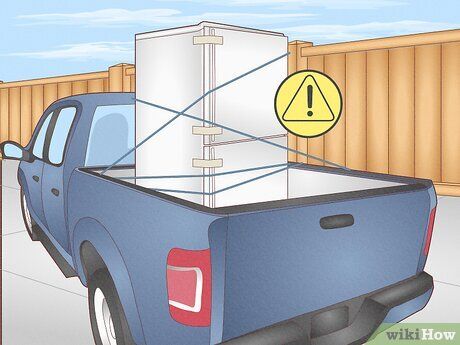
How to Transport a Refrigerator
Moving a refrigerator is not difficult if you prepare it correctly. Careful transportation helps protect the compressor, cooling system and internal components from damage. Whether you are moving to a new home or delivering a refrigerator after purchase, following a few simple steps can prevent expensive repairs.
Checklist Before Moving
Before loading the refrigerator make sure you complete these steps.
Unplug the refrigerator. Defrost the freezer completely. Remove all food and drinks. Dry the inside thoroughly. Remove or secure all shelves and drawers. Close and secure the doors with tape or straps. Wrap the refrigerator with moving blankets, cardboard or protective film. Measure doors, hallways and elevators before moving. The Best Way to Transport a Refrigerator
The safest method is transporting the refrigerator in an upright position. This keeps the compressor oil where it belongs and reduces the risk of internal damage.
If upright transportation is impossible, the refrigerator may be placed on its side. Whenever possible follow the manufacturer's recommendations. Avoid placing the appliance on its back or front.
Secure the refrigerator inside the truck with straps so it cannot move during transportation.
Loading and Carrying Tips
Refrigerators are heavy and should be lifted carefully.
Use moving straps, a hand truck or furniture dolly whenever possible. Two people are usually required for safe lifting. Avoid dropping the appliance or hitting stairs, walls and door frames.
How Long to Wait Before Turning It On
Do not plug the refrigerator in immediately after delivery.
If it was transported upright, waiting between two and six hours is usually enough.
If it was transported on its side, wait at least twelve hours before switching it on. This allows the compressor oil to return to its proper position.
Common Mistakes
Many refrigerator problems happen because of simple mistakes.
Turning it on immediately after transportation. Transporting it without securing it. Carrying it by the doors or handles. Transporting it on the back. Leaving glass shelves unsecured. Moving it while food is still inside. Why Professional Moving Services Help
Professional movers have the equipment needed to transport heavy appliances safely. They use lifting straps, protective materials and secure fastening systems inside the vehicle. This reduces the risk of scratches, dents and mechanical damage.
Final Tips
Taking a little extra time before moving a refrigerator can save a lot of money later. Proper preparation, careful handling and waiting before startup will help your refrigerator continue working reliably for many years.